
Virtual Try-On vs. In-Store Shopping: Pros and Cons for UK Consumers


In recent years, the shopping landscape has undergone a significant transformation with the rise of virtual try-on technology. This innovation allows consumers to visualize how products will look on them without stepping foot in a store. But how does it stack up against traditional in-store shopping? Let's explore the pros and cons for UK consumers.
Convenience and Accessibility
Virtual try-on offers unparalleled convenience. From the comfort of your home, you can experiment with different styles and sizes, all with just a few clicks. This is particularly beneficial for those with busy schedules or limited access to physical stores. Additionally, it eliminates the need for travel, saving time and transportation costs.
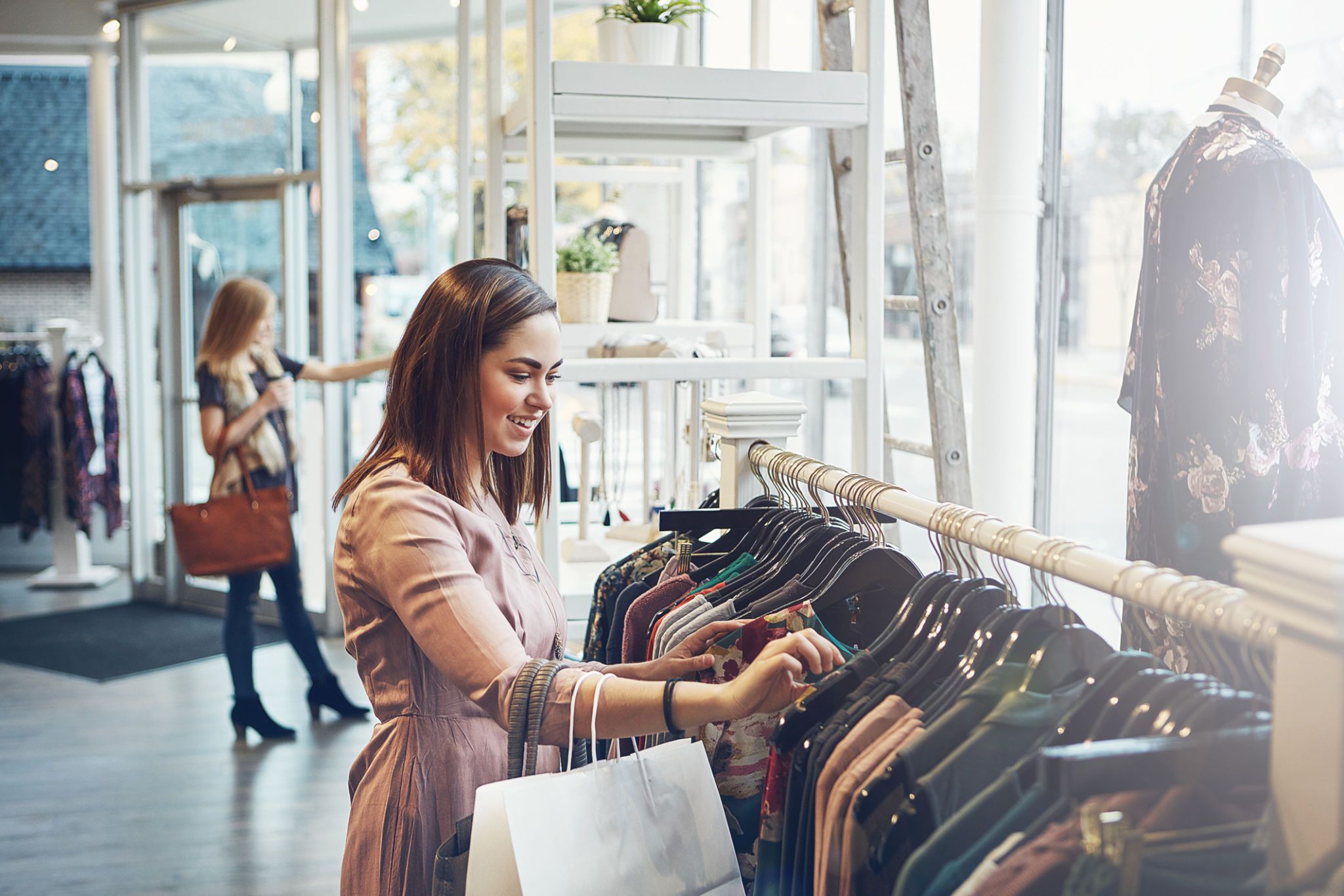
On the other hand, in-store shopping provides the immediate gratification of trying and buying on the spot. It's an opportunity to feel the fabric, assess quality, and ensure the perfect fit without waiting for delivery. For many, the tactile experience is irreplaceable.

Accuracy and Experience
While virtual try-ons have improved significantly, accuracy can still vary. The technology relies on algorithms and may not always capture the nuances of how a garment fits. However, it does offer a fun and innovative shopping experience that appeals to tech-savvy consumers.
In contrast, in-store shopping allows for a more reliable fit assessment. Consumers can interact with knowledgeable staff, receive personalized recommendations, and enjoy a social outing, making it a more immersive experience.
Cost Efficiency
Virtual try-on platforms often provide access to exclusive online deals and discounts. Without the overhead costs of physical stores, retailers can sometimes offer more competitive pricing. Plus, browsing online allows for easy price comparisons between brands.
In-store shopping may sometimes involve higher prices, but it can also offer immediate sales and promotions, along with the added benefit of instant product availability.
Environmental Impact
Virtual try-ons contribute to a reduction in carbon footprint by minimizing the need for travel. However, they can lead to increased returns due to fit issues, which might offset some environmental benefits.
Traditional shopping, while potentially involving more travel, often results in fewer returns since consumers can confirm their purchases more confidently. Many UK retailers are also adopting eco-friendly practices to reduce their impact.
Conclusion
Ultimately, the choice between virtual try-on and in-store shopping depends on personal preferences and priorities. For those who value convenience and innovation, virtual try-on is an exciting option. However, if you cherish the tactile experience and immediate satisfaction, traditional shopping remains a beloved choice.

As technology continues to evolve, both methods are likely to coexist, offering UK consumers a diverse range of shopping experiences to suit their needs.